
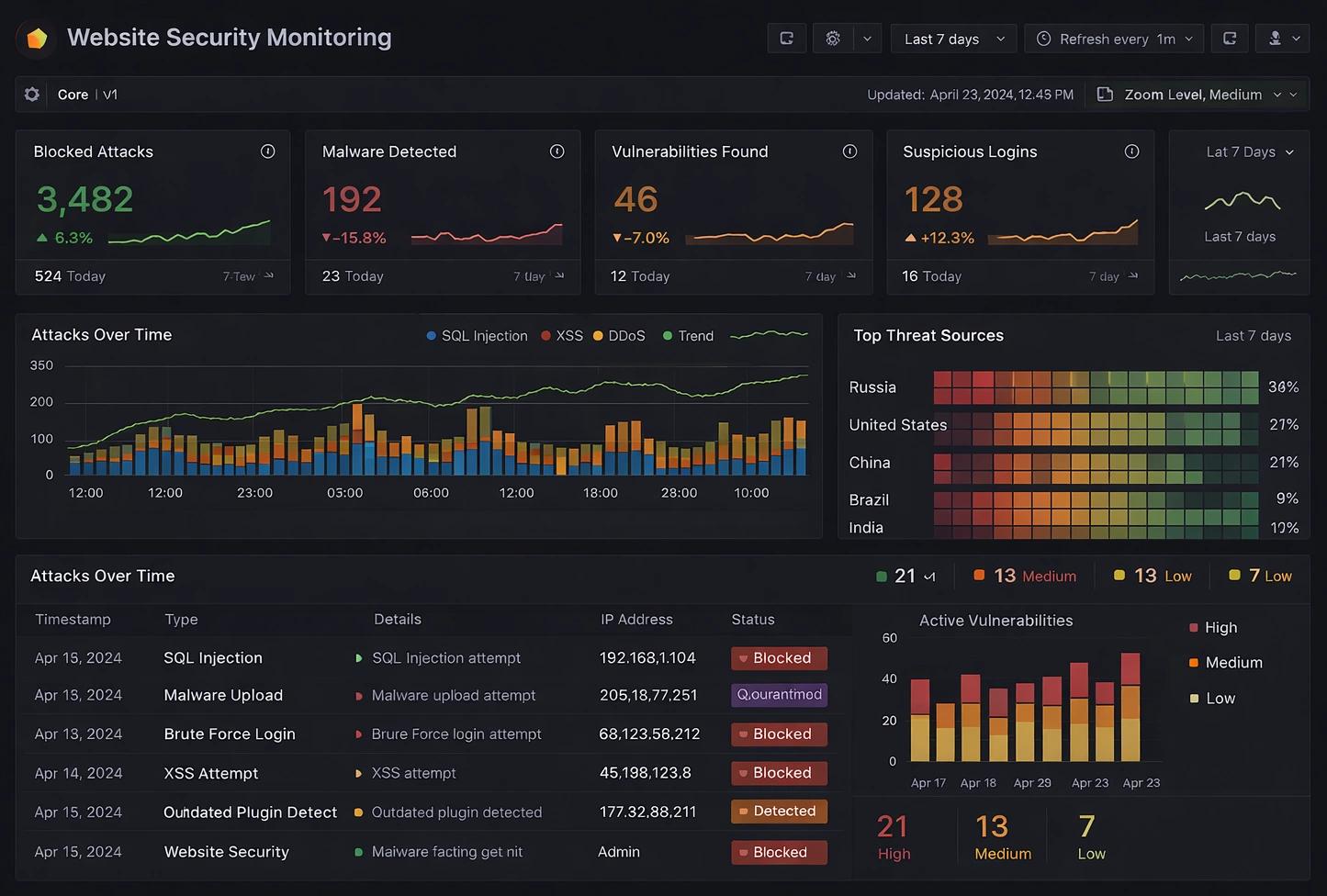
Top Cybersecurity Threats Businesses Must Avoid in 2026
Cybersecurity has become one of the biggest concerns for businesses worldwide. As technology evolves, cybercriminals are using more advanced methods to attack websites, servers, cloud platforms, and business networks.
In 2026, companies must stay proactive and secure their digital infrastructure to avoid financial losses, downtime, and data breaches.
Ransomware Attacks
Ransomware remains one of the most dangerous cybersecurity threats for businesses.
Attackers encrypt company data and demand payment in exchange for restoring access. Small businesses are increasingly becoming targets because they often lack strong security systems.
Protection tips:
- Use regular backups
- Keep software updated
- Implement firewall protection
- Use secure passwords and MFA
- Monitor suspicious activities
Phishing and Email Fraud
Phishing attacks continue to evolve with AI-generated emails and fake login pages.
Cybercriminals trick users into sharing passwords, payment details, or confidential information.
Businesses should:
- Train employees regularly
- Enable email filtering
- Use secure business email services
- Verify suspicious requests
Cloud Security Risks
Cloud hosting is growing rapidly, but poor cloud configuration can expose sensitive data.
Common cloud security mistakes include:
- Weak access permissions
- Unsecured APIs
- Poor password management
- Lack of encryption
Businesses should choose secure cloud hosting providers with advanced security infrastructure.
DDoS Attacks
Distributed Denial of Service attacks overload servers with massive traffic, causing websites to crash.
Modern DDoS attacks are becoming more sophisticated and can affect businesses of all sizes.
Protection methods:
- Use CDN protection
- Enable firewall security
- Monitor traffic patterns
- Use DDoS mitigation services
AI-Powered Cyber Attacks
Artificial intelligence is not only helping businesses but also cybercriminals.
Hackers now use AI tools for:
- Automated phishing campaigns
- Password cracking
- Malware generation
- Traffic analysis
Businesses must adopt modern security technologies to stay protected against AI-driven threats.
Importance of Website Security
Every business website should have:
- SSL certificates
- Malware scanning
- Firewall protection
- Secure hosting
- Automated backups
- Security monitoring
A secure website builds customer trust and protects business reputation.
Final Thoughts
Cybersecurity threats are evolving rapidly in 2026. Businesses must invest in strong website security, secure hosting, cloud protection, and employee awareness.
A proactive cybersecurity strategy can help prevent downtime, financial loss, and data breaches while ensuring long-term business stability.
